Container Freight Transport
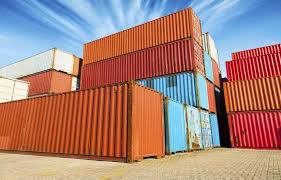
Container freight transport refers to a modern, efficient, and highly beneficial mode of transportation that utilizes containers as large carriers to consolidate cargo into transport units. This method enables the use of large-scale loading and unloading machinery, as well as specialized transport vehicles, to carry out loading, unloading, and transport operations. It facilitates “door-to-door” transportation, […]
Russian Missile Strike Damages Odessa Port and Commercial Ships
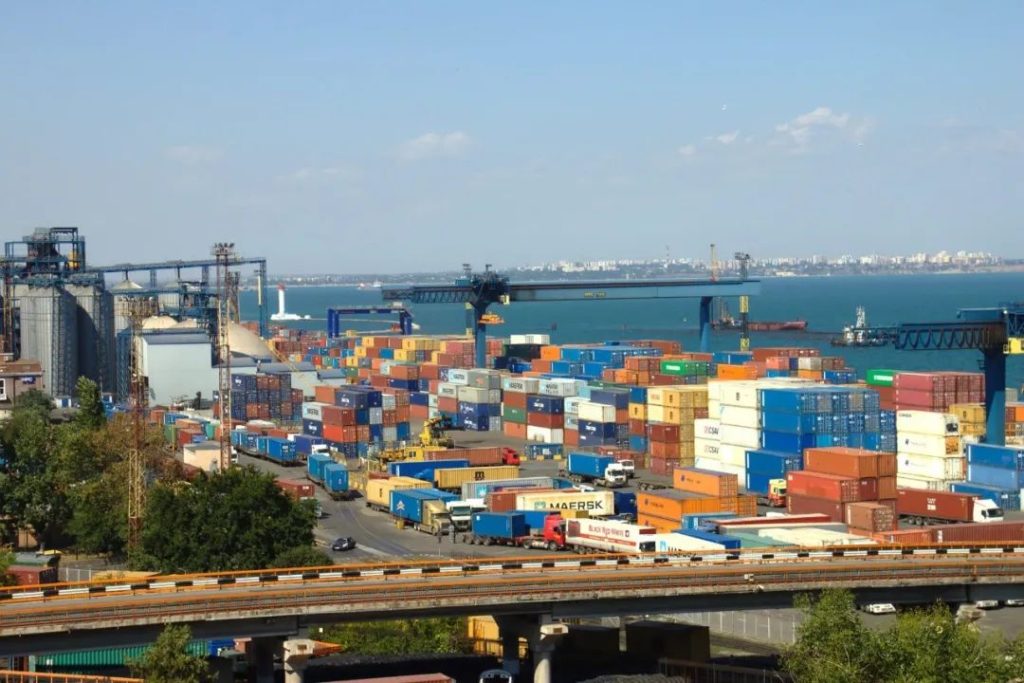
On March 1, Russia launched a missile strike on Ukraine’s Odessa port, causing damage to port infrastructure and affecting vessels docked at the harbor. According to Oleg Kiper, the governor of the Odessa region, the attack took place at approximately 5:47 PM local time, resulting in damage to a container ship owned by MSC and […]
Trump Officially Announces Tariff Increases Effective April 2

Washington, D.C., February 26 – U.S. President Donald Trump announced during a Cabinet meeting that, starting April 2, the United States will impose a 25% tariff on imports from Mexico and non-energy imports from Canada. Trump also stated that the U.S. has decided to impose a 25% tariff on goods from the European Union, with […]
Trump Claims an Imminent Deal with Ukraine

On the same day, Ukrainian President Volodymyr Zelensky stated that officials from Ukraine and the United States are currently drafting a bilateral agreement, which he hopes will bring a “fair outcome.” In a video address on February 21, Zelensky mentioned that Ukrainian and U.S. officials are working on an agreement to strengthen bilateral relations. However, […]
Mastering Container Loading: Essential Techniques and Precautions
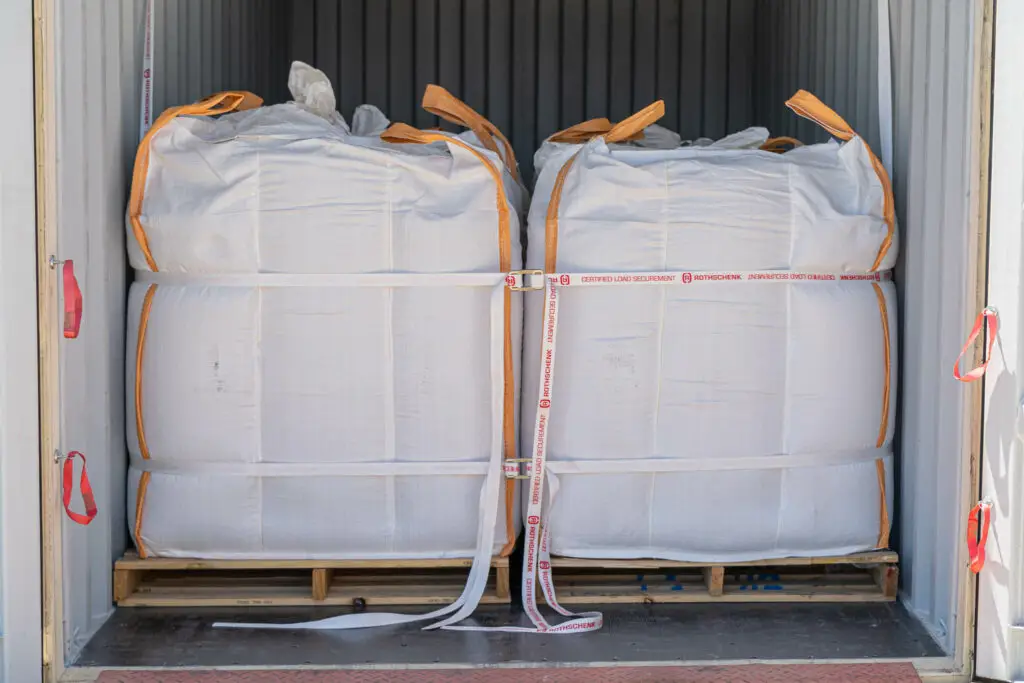
Key Considerations for Mixed Loading When exporting goods, companies often worry about data discrepancies, cargo damage, and inconsistencies between the declared and actual shipment data, which may result in customs clearance issues. To prevent such complications, shippers, warehouse personnel, and freight forwarders must coordinate effectively before loading. Avoid mixing goods of different shapes and packaging […]
Trump Plans to Dissolve USPS Leadership and Integrate Agency into His Administration

Recently, The Washington Post reported that President Trump is preparing to dissolve the leadership of the United States Postal Service (USPS) and plans to integrate this independent postal agency into his government structure. According to six informed sources, Trump is expected to issue an executive order as early as this week to dismiss members of […]
Maersk “Saltoro” Container Ship Faces Setbacks After Arrival in Nansha Port
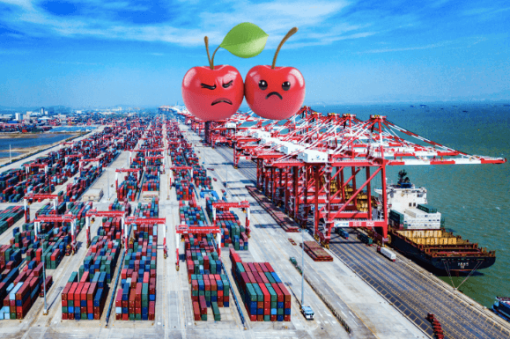
Recently, the Maersk container ship “Saltoro” arrived at Nansha Port in China on February 17, after a lengthy 52-day voyage. However, this vessel, which was carrying 1,353 containers of approximately 25,000 tons of Chilean fruit (primarily cherries, nectarines, and blueberries), encountered a series of setbacks. These fruits were originally intended to hit the market before […]
Free Time at Destination Port: Free Time for Containers & Free Storage Period
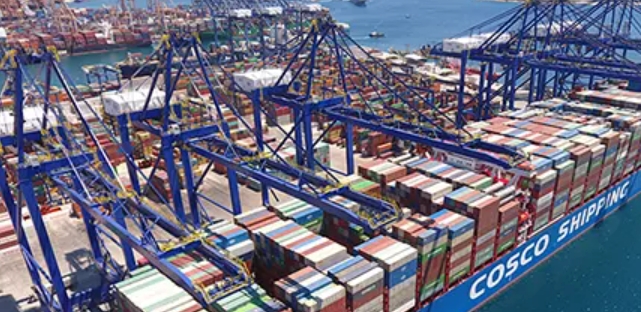
Free Time at Destination Port can be subdivided into: Free Demurrage: This refers to the free usage period for containers at the terminal after they arrive at the port. Free Detention: This refers to the free usage period for containers after they have been removed from the terminal. Free Storage: This refers to the free storage time allowed […]
India and the U.S. Consider Higher Tariffs on Chinese Steel: Trade Barriers Continue to Rise

According to a Reuters report on February 12, India’s Minister of Steel, H.D. Kumaraswamy, stated that due to the “severe challenges” posed by Chinese steel imports to domestic producers, India may impose a temporary tariff of 15% to 25% on Chinese steel products within the next six months. In an interview with Reuters on February […]
Trump’s Tariff Shake-Up: Coca-Cola and U.S. Industries Brace for Impact

On the 10th, U.S. President Donald Trump announced a 25% tariff on all imported steel and aluminum while canceling tariff exemptions and quota waivers for certain trade partners. This decision has sparked strong opposition from the international community. In addition to global criticism, the 25% tariff on imported steel and aluminum has also triggered a […]